
Introduction
Anyone who delves into the symbols of buddhism soon discovers that Buddhism is much more than just a religion. It is a rich culture with its own art, architecture, music, and traditions, kept alive to this day in monasteries and sacred places around the world. At 1stBuddha, we love exploring this profound symbolism, because every buddhism symbol tells its own story full of spiritual meaning. In this article, we discuss the Eight Auspicious Symbols of Tibetan Buddhism, also known as Asthamangala — powerful signs of buddhism that have been revered for centuries as symbols of luck.
What is Asthamangala?
The Eight Auspicious Symbols, or Asthamangalas, are seen as expressions of divine blessing and spiritual virtue. According to tradition, they originate from Asthamangaladevi, the goddess of prosperity, whose presence represents luck and wellbeing in all its forms. Since ancient times, these symbols have adorned temples, monasteries, and sacred spaces, as a silent reminder of the prosperity that, according to Buddhist teaching, is present everywhere.
These eight sacred signs are often the focal point of meditation and contemplation. In the West, their deeper meaning is not always known, but those who understand the buddhism symbol meaning know that they represent success, spiritual victory, and a prosperous future.
Let's discuss the eight symbols one by one.
The Eight Auspicious Symbols Explained
1. Chattra – The Umbrella (Tibetan: DUK)
The umbrella, with its majestic dome shape, symbolizes the dignity and sovereignty of enlightened beings. It acts as a protective shield against the heat of worldly trials and the rain of ignorance. Under this protection, one finds peace and spiritual guidance.
2. Dhwaja – The Victory Banner (Tibetan: THANJHA)
This banner commemorates the Buddha's victory over the Four Maras — the forces of desire, illusion, and despair. It symbolizes the invincible spirit of enlightenment and encourages practitioners to walk the path of samsara with determination.
3. Sankha – The Conch Shell (Tibetan: THUNGKHAR)
The conch shell sounds as an announcement of virtue and prosperity. Its sound symbolizes the awakening from ignorance and proclaims the universal value of compassion and wisdom within the Buddha's teachings.
4. Shrivasta – The Endless Knot (Tibetan: PATTA)
This knot represents the interconnectedness of all things. Its intertwined lines symbolize the unity of wisdom and compassion, reflecting how karma, intention, and action are woven together.
5. Kalash – The Vase of Great Treasures (Tibetan: PHUMPA)
The vase is filled with the elixir of immortality and represents the inexhaustible richness of the Dharma. It symbolizes inner peace, wisdom, and compassion for all who seek refuge in it.
6. Matsyayugma – The Two Golden Fish (Tibetan: SHENN-NYA)
The two fish swim gracefully through the currents of samsara and represent liberation from suffering. They embody contentment and courage, inviting one to rise above the waves of pleasure and pain.
7. Padma – The Lotus Flower (Tibetan: PEMA)
The lotus grows from muddy water yet blooms in perfect purity. This symbol represents spiritual awakening and the possibility of transcending earthly limitations.
8. Dharmachakra – The Wheel of Dharma (Tibetan: CHUYKI-KORLO)
The Wheel of Dharma represents the Noble Eightfold Path: right understanding, intention, speech, action, livelihood, effort, mindfulness, and concentration. It symbolizes the eternal quest for liberation from suffering.
Why These Symbols Still Matter Today
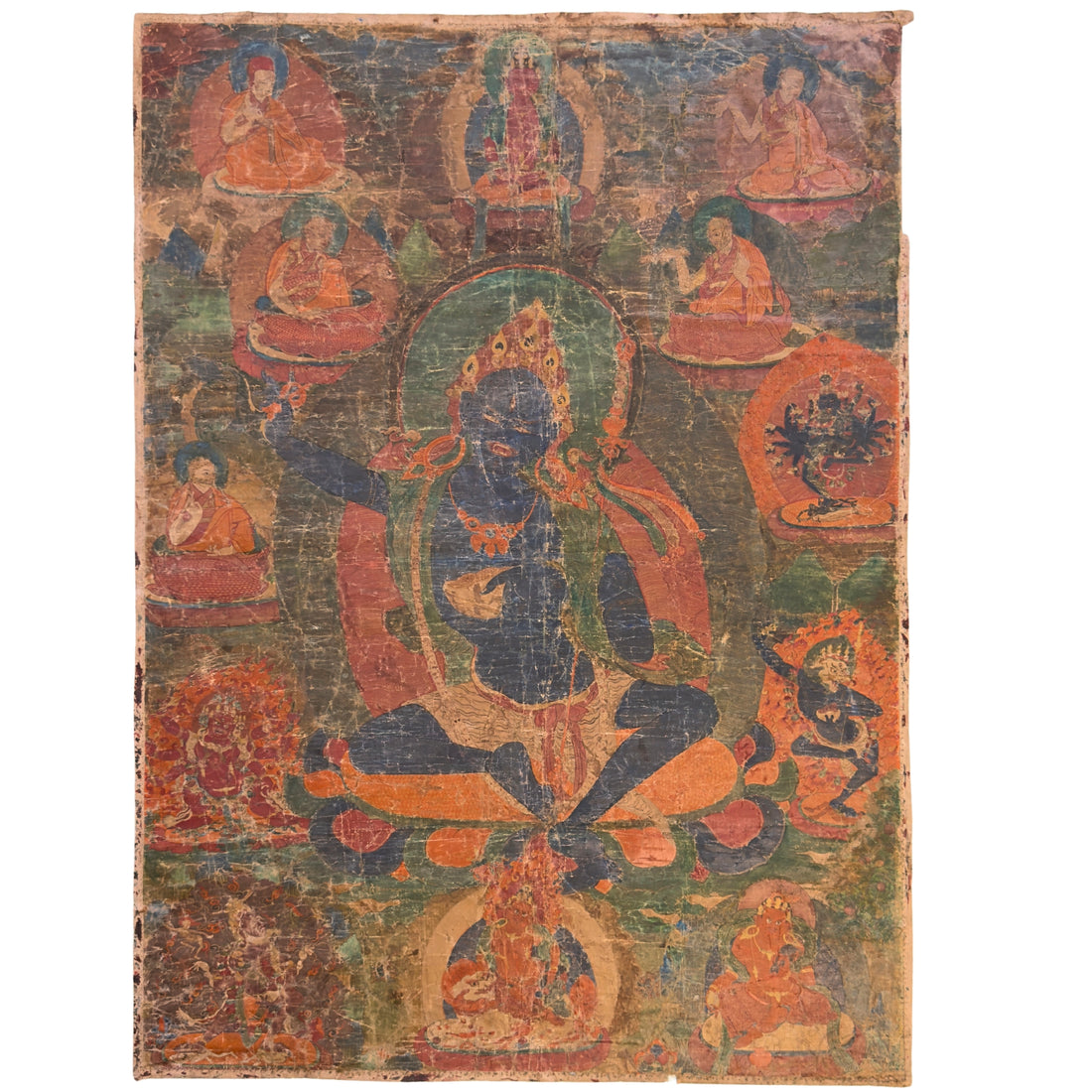
The eight symbols are still used in:
· Monasteries and temples as decoration and objects of meditation
· Thangka paintings and religious art
· Rituals and ceremonies within Tibetan Buddhism
· Personal practice as a reminder of spiritual values
At 1stBuddha, we see how these ancient signs continue to inspire those seeking peace, meaning, and connection today.
Conclusion
The Eight Auspicious Symbols form a beautiful summary of Buddhist philosophy. From the protective umbrella to the wise Wheel of Dharma: every buddhism symbol carries a centuries-old lesson of compassion, wisdom, and inner growth.
Contact us if you'd like to learn more about these symbols or are looking for authentic Buddhist art and objects inspired by this rich tradition.


