
Introduction
Bagan is one of the most impressive archaeological sites in the world and testifies to the rich spiritual heritage of Myanmar. This ancient city, once the heart of the Pagan Kingdom, is renowned for its incomparable collection of temples and pagodas that stretch across a vast landscape. Many visitors compare Bagan, Myanmar with famous historical sites like Angkor Wat in Cambodia, but this city possesses its own unique character and spiritual significance.
If you are interested in Buddhist architecture and cultural heritage, Bagan, the ancient city of Myanmar, offers an unforgettable experience. The veneration of Lord Buddha stands at the center of Bagan's spiritual identity, which is clearly reflected in the thousands of religious monuments. At 1stBuddha, we understand the importance of preserving and appreciating such cultural treasures, which is why we are happy to share insights into this fascinating destination.
The Historical Significance of Bagan
Early Origins and Founding
The roots of Bagan trace back to the early 2nd century, when the city was founded by Thammodarit. In 849 AD, Old Bagan was fortified with twelve imposing gates and protected by a moat that surrounded the city. These defensive measures underscored the growing importance of Bagan as a strategic and religious center.
During its heyday—over 250 years under the Pagan Kingdom—Bagan City transformed into a metropolis of spiritual significance. The number of religious monumental structures grew explosively to more than 10,000 temples and pagodas, distributed across an area of 40 square miles.
Religious Diversity and Syncretism
Bagan City was not merely a Buddhist center, but a vibrant melting pot of beliefs. During the Pyu period, Theravada Buddhism lived harmoniously alongside Mahayana Buddhism, tantric Buddhism, and Hindu traditions (Saivite and Vaishnava schools).
This religious plurality made Bagan a unique cultural bridge between different spiritual traditions.
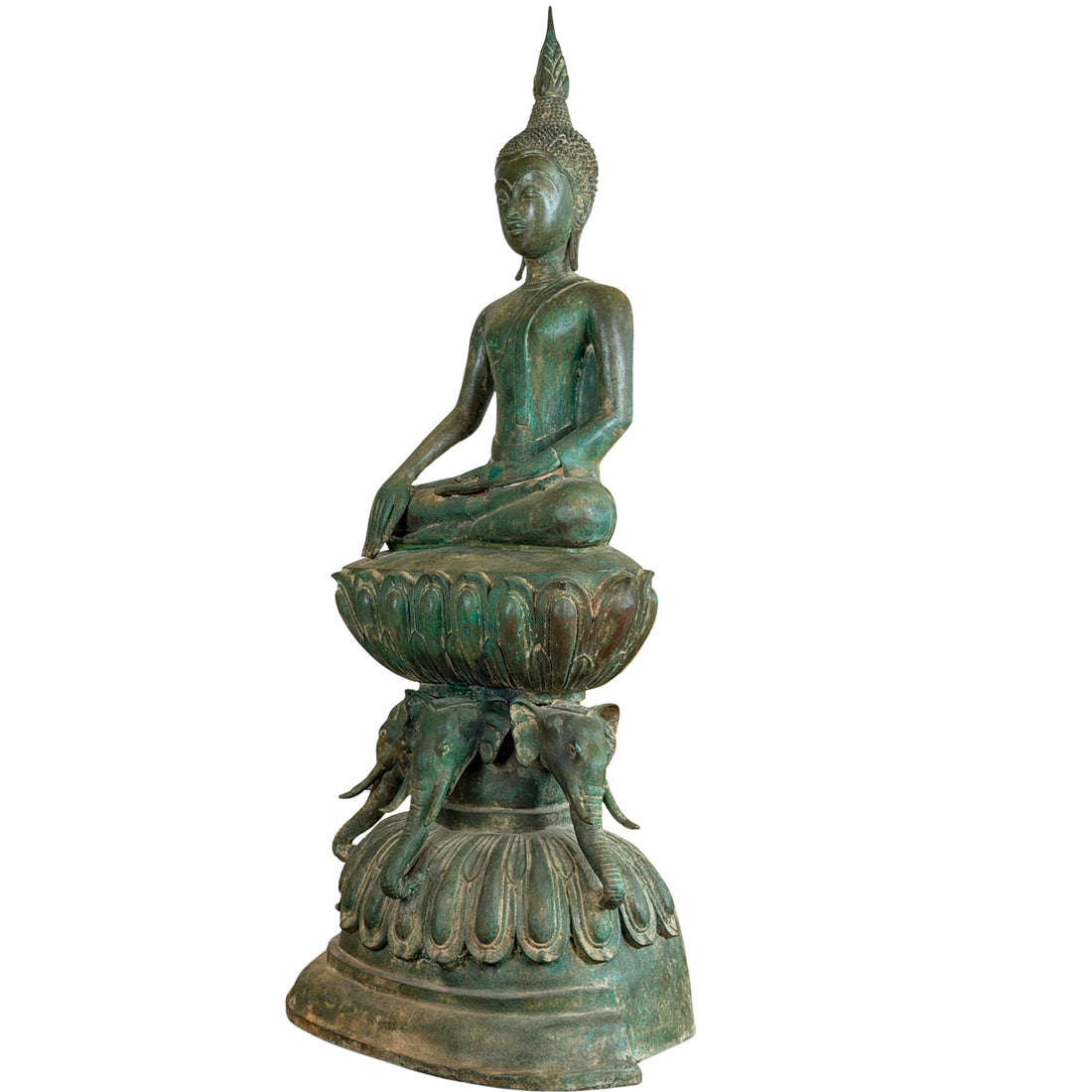
Modern Restoration and UNESCO Status
Bagan, Myanmar has suffered from numerous earthquakes throughout the centuries. Fortunately, extensive restoration projects in the 1990s under the leadership of the military government enabled the preservation of approximately 2,229 temples and monuments.
These efforts have granted Bagan the prestigious title of a UNESCO World Heritage Site, whereby it is recognized as an irreplaceable treasure of ancient remains, stone inscriptions, and architectural wonders.
Architectural Highlights of Bagan
Stupas – Monumental Spiritual Structures
The iconic stupas of Bagan are massive reliquaries that rise above the landscape. These structures evolved from early Pyu designs and represent a pinnacle of religious architecture in Myanmar. Every detail reflects the devotion to Lord Buddha and the spiritual values of the community.
Cave Temples – Intimate Places of Worship
In contrast to the massive stupas, the hollow Gu-style temples are primarily used for personal devotion and veneration of Lord Buddha. These serene spaces offer visitors a contemplative experience and deep connection to the spiritual core of Bagan City.
Cultural Heritage and Collections
Bagan Archaeological Museum
This museum is among the oldest in the region and houses many precious artifacts. It is particularly renowned for the Myazedi inscriptions, which are regarded as the "Rosetta Stone of Myanmar." This inscription contains texts in four languages—Pyu, Old Mon, Old Burmese, and Pali—and offers invaluable insights into the linguistic history of the region.
The Palace of Anawrahta
This palace, rebuilt on the foundations of the original royal residence, offers visitors a fascinating glimpse into the princely history of Old Bagan. The architecture and decoration reflect the power and prosperity of the Pagan Kingdom.
Remarkable Temples and Pagodas of Bagan
Ananda Temple – Architectural Masterpiece
The Ananda Temple is among the most venerated and architecturally advanced structures in Bagan, Myanmar. This temple combines subtle Mon designs with world-class craftsmanship, which explains its enduring beauty and spiritual radiance.
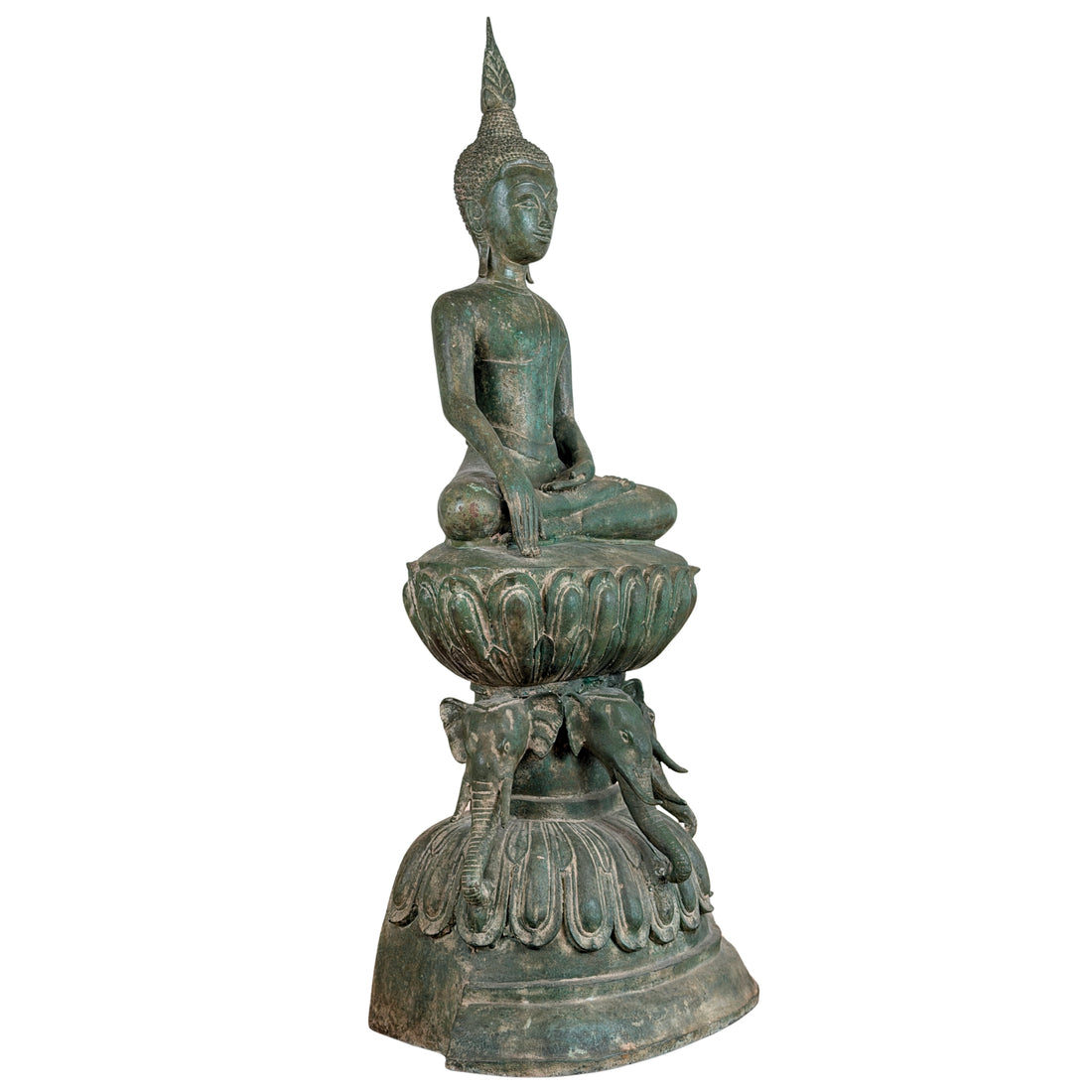
Bupaya Pagoda – Reborn from the Ashes
Originally built in the 9th century, this elegant pagoda was severely damaged by an earthquake in 1975. After careful restoration, the Bupaya Pagoda was restored to its former glory and adorned with gold leaf, which glitters in the Burmese sun.
Dhammayangyi Temple – The Greatest of All
As the largest temple in Bagan City, the Dhammayangyi stands out not only in terms of physical dimensions but also in historical and cultural significance. Visitors can spend hours exploring the grandeur and architectural complexity of this monumental structure.
Myazedi Inscription – The Rosetta Stone of Myanmar
The Myazedi inscription is a linguistic and historical treasure. With inscriptions in four different languages, this "Rosetta Stone of Myanmar" offers a unique insight into the multicultural aspects of ancient Bagan and the linguistic richness of the region.
Bagan Today: A Destination for Culture Enthusiasts
Bagan remains a magnet for tourists, archaeologists, and spiritual seekers from around the world. The combination of archaeological significance, architectural beauty, and spiritual atmosphere makes it an incomparable destination.
Whether you are fascinated by the temples of Lord Buddha, the comparison with Angkor Wat, or the historical layers of Old Bagan—this city offers something valuable for everyone. At 1stBuddha, we are passionate about sharing knowledge about such cultural treasures and their enduring significance for our understanding of Buddhist civilization.
Conclusion
Bagan, Myanmar is not merely a tourist attraction; it is a living museum of human spirituality and architectural genius. The thousands of temples, the veneration of Lord Buddha, and the rich multicultural heritage make Bagan City a place where history and spirituality are closely interwoven.
The legacy of Old Bagan, recognized by UNESCO and preserved through generations, deserves acknowledgment and respect. This ancient city reminds us of the depth of human culture and the enduring power of spiritual traditions.
Contact Us
Would you like more information about Bagan, Buddhist architecture, or other aspects of Asian cultural heritage? Contact us today via 1stBuddha, and let our experts guide you through the fascinating world of spiritual heritage and Buddhist art. We are happy to help you deepen your knowledge and appreciation for these invaluable cultural treasures.


