
Introduction
Buddhism is a spiritual tradition centred on personal development and inner growth, with the ultimate aim of reaching Nirvana and gaining a deep understanding of the true nature of life. Its teachings, practices and customs go back to Lord Buddha (Gautama Buddha) and are followed worldwide by some 376 million people. Within the Buddhist tradition, four places hold a special position: they form the most important Buddhist sanctuaries in the world.
Southeast and East Asia are home to countless pilgrimage sites, yet only four are considered truly essential. All of them lie in the Ganges plains of northern India and southern Nepal, marking the key moments in the life of the Buddha. He designated these places himself and instructed his followers that visiting them should awaken a sense of spiritual urgency.
Why These Four Buddhist Sanctuaries Are So Special
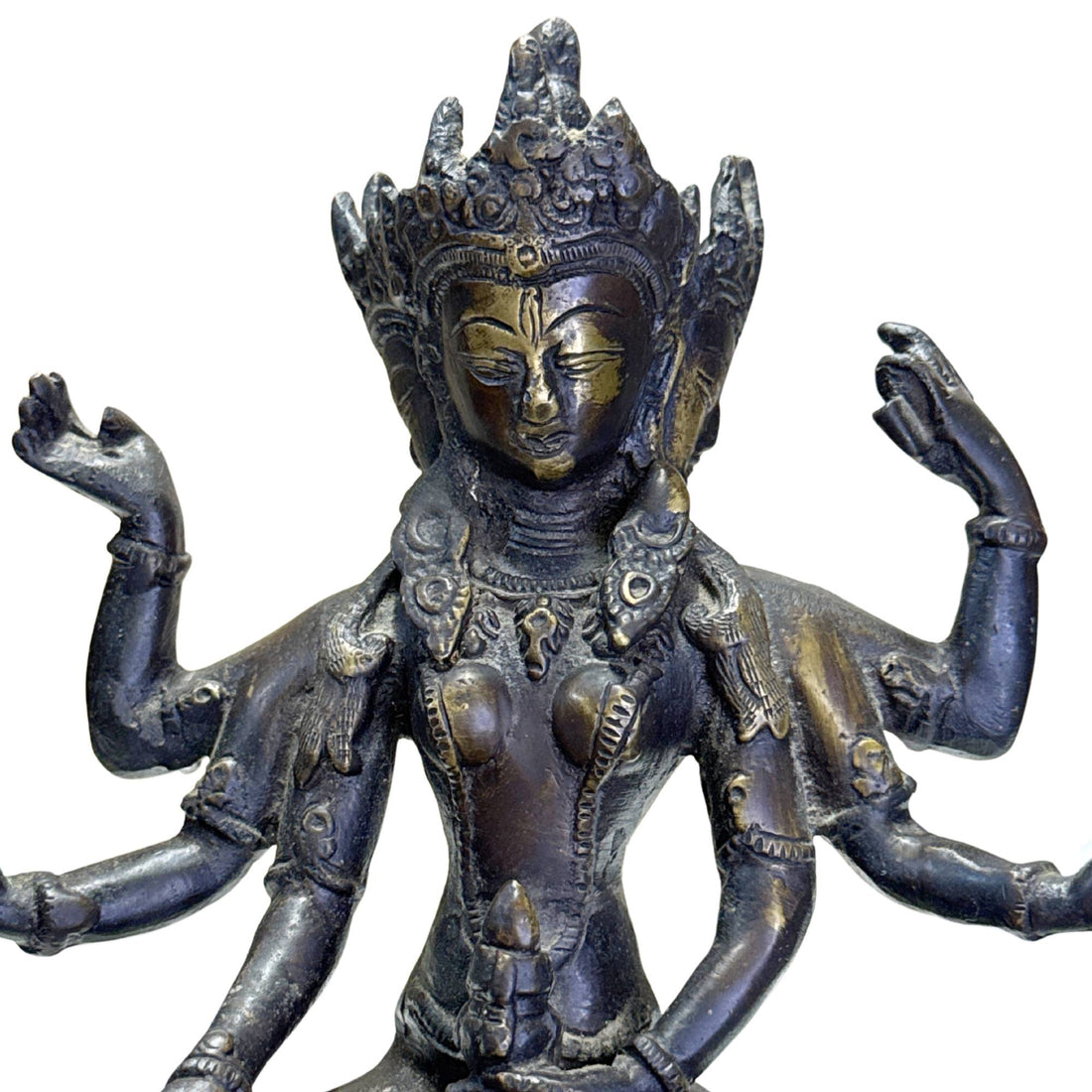
What sets these four sites apart is their direct connection to the Buddha's life story:
· Lumbini – his birth
· Bodh Gaya – his enlightenment
· Sarnath – his first teaching
· Kushinagar – his Parinirvana
Each Buddhist sanctuary therefore represents a stage in the path he travelled, from prince to enlightened teacher.
1. Lumbini: The Birthplace of Lord Buddha
Lumbini lies in southern Nepal and ranks among the most significant pilgrimage sites in the world. In 1997 it was added to the UNESCO World Heritage List.
Birth and Childhood
It was here that the Buddha was born in 623 BCE to Queen Maya Devi. In the Parinibbana Sutta he himself designates Lumbini as the fourth sacred Buddhist place. He spent most of his childhood here in luxury and comfort, shielded from pain, suffering, old age and death. According to tradition, Prince Siddhartha took a purifying bath in Lumbini in the pool of the Nagas, the spirits of the water.
The Ashoka Pillar
In 249 BCE, Emperor Ashoka visited Lumbini together with his teacher Upagupta to spread Buddhism further. He had an inscribed pillar erected at the birthplace and at the seven steps the Buddha is said to have taken at his birth. This pillar is known as the Ashoka Pillar.
Places to See in Lumbini
· Maya Devi Temple
· Ashoka Pillar
· Kapilvastu
· Devdaha
· The Tibetan Temple
2. Bodh Gaya: Where Enlightenment Took Place
Bodh Gaya lies in the Gaya district of the Indian state of Bihar and is regarded as one of the holiest places within the Buddhist tradition.
The Bodhi Tree
After leaving his birthplace, the Buddha attained Enlightenment here beneath a fig tree. That tree has been known ever since as the Bodhi Tree. It was at this spot that Buddhism began as a living teaching.
The Mahabodhi Temple
Emperor Ashoka came to Bodh Gaya in 259 BCE and had the impressive Mahabodhi Temple built close to the Bodhi Tree. This Buddhist building remains the heart of the site to this day and draws thousands of pilgrims and visitors each year. Despite a series of bomb attacks in the past, the complex has survived.
3. Sarnath: The First Teaching
Sarnath lies northeast of Varanasi in Uttar Pradesh, India, and is the place where the Buddha delivered his first sermon to five monks (the Pañcavaggiya). This took place in the Deer Park, setting the Wheel of Dharma in motion.
The Four Noble Truths
1. There is suffering
2. Suffering has a cause
3. There is an end to suffering
4. There is a path leading to that end
The Noble Eightfold Path
This path, also called the middle way, consists of: Right View, Right Intention, Right Speech, Right Action, Right Livelihood, Right Effort, Right Mindfulness and Right Concentration.
Various Suttas were also taught here for the first time, making Sarnath an intellectual as well as a spiritual focal point.
4. Kushinagar: The Parinirvana
Kushinagar, also known as Kushinara, lies in Uttar Pradesh and is the place where the Buddha chose to pass away and attain Parinirvana.
Three Reasons for This Choice
· Kushinagar was the right location to proclaim the Maha-Sudassana Sutta.
· It related to Subhadra, who followed the path the Buddha left behind.
· He wished to leave the important Buddhist relics in the hands of Brahman Doha.
According to tradition, his final words were a call to vigilance: experience ultimately disappoints, but through mindfulness success is attained.
Places to See in Kushinagar
Emperor Ashoka also made a substantial contribution to the construction of this site. Well-known landmarks include:
· The Mahaparinirvana Stupa
· The temples of Kushinara
· The statue of the Buddha in the parinirvana posture (reclining)
The Eight Sacred Places: Astamahapratiharya
Alongside these four, there are four further sacred locations. Together they form the eight places known as Astamahapratiharya. The additional four are:
· Sravasti
· Sankasya
· Vaisali
· Rajgir
These sites are associated with miracles and significant events from the later life of the Buddha.
Experiencing the Atmosphere of These Places at Home
Not everyone is able to make a pilgrimage to India or Nepal. Even so, it is possible to bring the calm and symbolism of these places closer to home. A carefully crafted statue on an altar or in a meditation corner serves as a daily point of focus.
Choosing a Statue That Fits
At 1stBuddha you will find handmade statues in bronze, stone, marble and wood, each with its own character. For anyone looking for a Buddha in Velp or elsewhere in the Netherlands, pay particular attention to the hand gesture (mudra), because each posture refers to a different moment in the Buddha's life:
· Bhumisparsha mudra – the enlightenment at Bodh Gaya
· Dharmachakra mudra – the first teaching at Sarnath
· Reclining Buddha – the Parinirvana at Kushinagar
In this way, choosing a statue essentially leads you back to one of these four sacred places.
Conclusion
Lumbini, Bodh Gaya, Sarnath and Kushinagar together form the spiritual heart of Buddhism. They mark birth, enlightenment, teaching and passing, and in doing so tell the complete story of a tradition that has inspired people for more than two millennia. Whether you actually set out on pilgrimage or explore the symbolism from home, these places offer a timeless compass for anyone seeking insight and inner peace.
Contact us
Would you like an authentic Buddha statue that suits your space and intention? The team at 1stBuddha is happy to advise you on posture, material and size. Contact us for personal guidance or to explore the full collection.


